




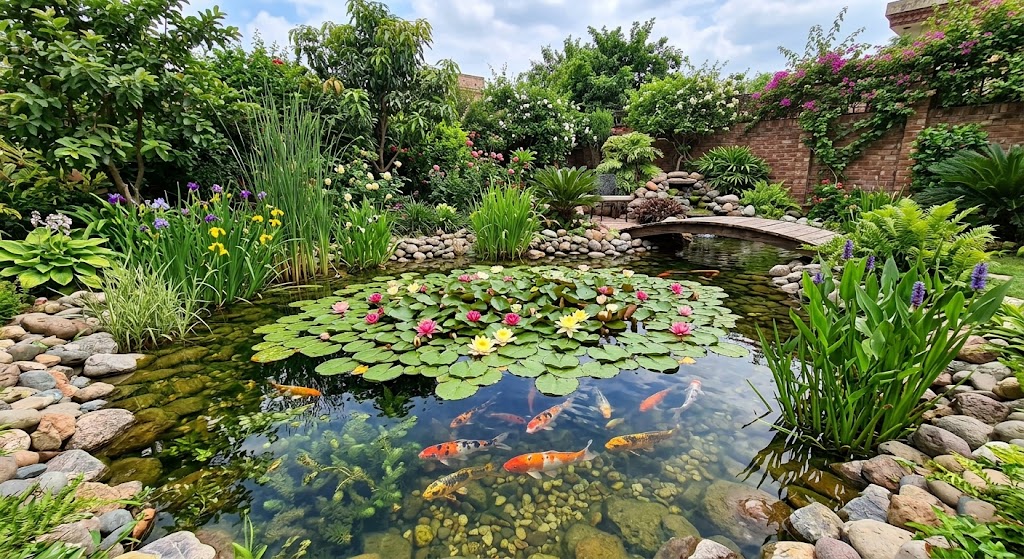
A beautiful pond can become one of the most attractive features in any garden. The right pond plants add colour, texture, flowers, and natural character while also creating valuable habitats for insects, frogs, birds, and other wildlife. With specialist nurseries and garden suppliers offering a wide range of aquatic plants, it has become easier than ever to Buy Pond Plants Online and have suitable plants delivered directly to your home.
However, choosing pond plants online should involve more than simply selecting the prettiest flowers. Different plants have different water-depth requirements, growth habits, and space needs. Understanding these differences will help you create a healthy and attractive pond.
Understand the Different Types of Pond Plants
Before placing an online order, it is useful to understand the main categories of aquatic plants. Marginal plants grow around the shallow edges of ponds and are ideal for adding height and colour. They can include attractive flowering varieties that create a natural transition between the water and garden.
Deep-water plants, particularly water lilies, are popular because their leaves spread across the surface while their flowers provide seasonal colour. Some varieties are suitable for smaller ponds, while larger cultivars require considerably more space and depth.
Oxygenating plants grow below the water surface. They can provide shelter for aquatic organisms and contribute to a healthy pond environment. Floating plants sit directly on the surface and can provide shade and visual interest.
The Royal Horticultural Society recommends choosing plants according to pond size, planting depth, and eventual growth, rather than selecting plants based solely on appearance.
Measure Your Pond Before Shopping
One of the biggest mistakes new pond owners make is buying plants without checking the available space. Before you Buy Pond Plants Online, measure the different depths of your pond.
A pond with shelves provides several planting zones, allowing you to combine marginal, shallow-water, and deeper plants. A container pond or small ornamental pond needs more compact varieties because vigorous plants can quickly become difficult to control.
Check the mature size of every plant before ordering. A plant that looks small when delivered may eventually spread considerably. Choosing varieties that match your available space will reduce maintenance and help prevent overcrowding.
Consider Wildlife When Choosing Plants
Pond plants are not only decorative. They can provide food, shelter, resting areas, and breeding habitats for wildlife. Native plants can be particularly useful for creating a wildlife-friendly garden pond.
Water mint, marsh marigold, water forget-me-not, and other suitable British aquatic plants can add flowers and foliage while creating valuable habitat. Oxygenating plants can also provide underwater cover.
A mixture of plants is generally more beneficial than filling the pond with only one species. Combining different heights, textures, flowering periods, and planting zones can create a more natural environment.
Pay Attention to Planting Depth
Planting depth is another important consideration when shopping online. Some aquatic plants prefer very shallow water, while water lilies may need substantially deeper conditions.
Always read the supplier’s planting instructions before ordering. If a plant is placed too deeply, it may struggle to reach the surface. If it is planted too shallowly, it may not develop properly.
The RHS recommends checking individual plant requirements and positioning aquatic plants at the correct depth.
Choose Reliable Online Suppliers
When you Buy Pond Plants Online, look for suppliers that provide clear descriptions, mature sizes, planting depths, delivery information, and care instructions. Specialist aquatic nurseries can be particularly useful because they understand the specific requirements of pond plants.
Some UK suppliers offer native, outdoor-grown plants specifically suited to British conditions. For example, specialist online retailers currently provide categories including marginals, oxygenators, water lilies, and pond collections.
Check whether plants are supplied bare-rooted, in aquatic baskets, or in containers. Bare-root plants can be convenient for delivery, while container-grown plants may be easier to establish immediately.
Plan a Balanced Planting Scheme
A successful pond usually benefits from a mixture of plant types rather than excessive quantities of one variety. Consider adding plants to different areas so the pond has visual depth.
Use marginal plants around the edges, deeper plants toward the centre, and oxygenators beneath the surface. Water lilies can add floating foliage and flowers while helping provide shade.
Avoid filling every available area with plants. The pond needs open water as well as vegetation.
Final Thoughts
Knowing what to look for makes it much easier to Buy Pond Plants Online with confidence. Start by measuring your pond, identify its different planting depths, decide whether wildlife or ornamental appearance is your main priority, and research the mature size of each plant.
With careful selection, online shopping can provide access to a wide range of aquatic plants without the need to visit multiple garden centres. Choose suitable varieties from reputable suppliers, follow planting instructions, and give each plant enough room to grow. The result can be a colourful, healthy pond that enhances your garden and supports local wildlife.

