





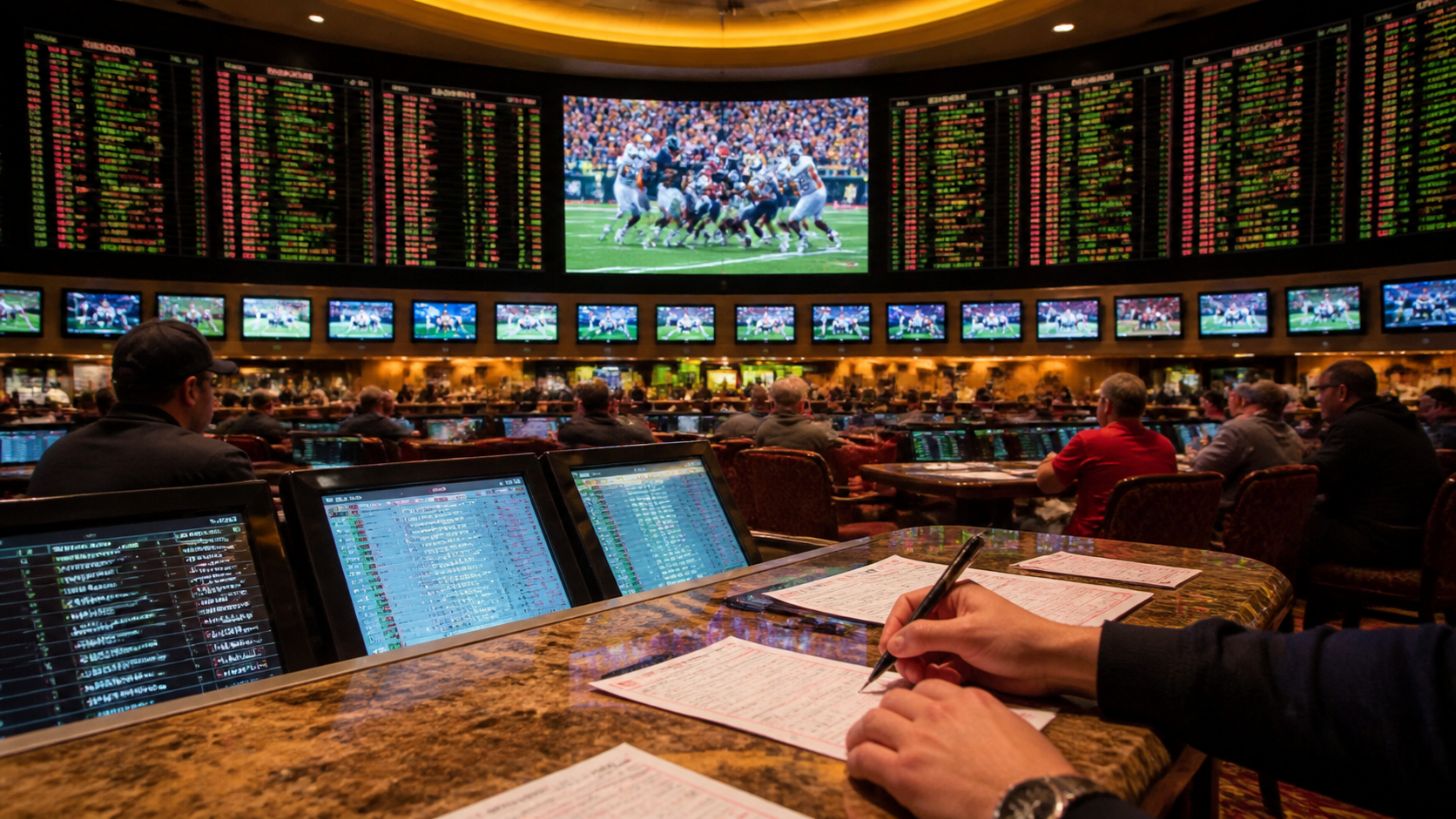
Sports betting attracts attention for the same reason many games do: it combines knowledge, timing, and a little uncertainty. For readers in Malaysia, the topic also comes with a unique local context. People often want to understand how betting markets work, what shapes odds, and how to approach wagering with discipline rather than impulse.
This guide looks at the subject from a practical angle. Instead of chasing hype, it focuses on how sports betting is usually structured, the habits that help readers stay organised, and the common mistakes that can turn a casual interest into a frustrating experience. If you are exploring sports betting malaysia, it helps to start with the basics and build a clear approach before placing any wager.
What Sports Betting Involves
At its simplest, sports betting means predicting the outcome of a match, tournament, or specific event and placing a stake on that prediction. The appeal is not only the possibility of a payout, but also the added interest it brings to watching a game. A match can feel more engaging when the bettor is following team form, player availability, and the pace of play closely.
That said, betting should be understood as a form of entertainment rather than a shortcut to income. Outcomes can shift quickly, and even the most informed bettor can lose on a strong-looking selection. The key is to treat each bet as a decision that should make sense on its own, not as part of a rushed attempt to recover earlier losses.
Main Bet Types
Different sports markets can look similar on the surface, but they behave differently in practice. Some of the most common bet types include:
- Match winner bets, where the prediction is based on which side will win.
- Handicap bets, which adjust the apparent strength of one team or player.
- Total points or goals bets, which focus on the overall scoring range.
- Player or team prop bets, which involve a narrower event within the game.
Understanding the structure of a market is often more useful than trying to memorise every option. A beginner who knows how one or two bet types work clearly will usually make more thoughtful choices than someone who spreads attention too thinly across everything available.
How Odds Shape Every Decision
Odds are central to sports betting because they reflect both the likely outcome and the potential return. They also influence how bettors compare one market with another. A selection with shorter odds may look more likely to win, but it usually returns less if successful. A longer shot offers a larger payout potential, but the risk is correspondingly higher.
It helps to read odds as a kind of price, not as a promise. They represent the bookmaker’s view of a result and the market’s overall balance, not certainty. That is why two bets that seem similar can produce very different outcomes once value, timing, and team news are taken into account.
Reading Value Instead of Chasing Favorites
Many newcomers focus only on the side they think will win. More experienced bettors often ask a different question: does the price make sense relative to the risk? This is the idea of value. A favorite may be strong, but if the odds are too short, the return may not justify the wager. A slightly less popular side may occasionally offer better value if the market has overlooked a useful factor.
Value is not about finding guaranteed winners. It is about making more measured decisions where the price and the probability appear closer to each other. That mindset helps reduce emotional betting and encourages a more consistent approach over time.
Choosing Markets That Match Your Knowledge
Not every bettor needs to follow every sport. In fact, one of the smartest habits is to focus on markets you understand well. If you already watch football closely, you may be better prepared to judge team form, injuries, and tactical changes than if you were trying to bet on a sport you barely follow.
Knowledge matters because betting decisions often depend on subtle details. A late lineup change, a change in tempo, or a team’s recent schedule can matter more than raw reputation. When you know a sport well, you are more likely to spot the small factors that influence a match.
Useful Criteria for Market Selection
- How well you understand the sport or league.
- Whether the market is easy to compare across different options.
- How much information is available before the event.
- Whether the bet can be assessed without emotional bias.
- Whether the stake fits your wider budget.
Picking fewer, better-understood markets can be more effective than jumping between unrelated events. It also makes it easier to review results honestly, since you can see whether your process is improving or whether you are betting on instinct alone.
Bankroll Discipline and Responsible Play
Bankroll management is one of the clearest differences between structured betting and casual guessing. A bankroll is simply the amount set aside for wagering, and it should be treated separately from everyday money. Once that boundary is blurred, betting becomes harder to control and easier to rationalise after a loss.
A sensible approach is to decide in advance how much you are willing to risk and to keep individual stakes modest. This does not remove risk, but it helps prevent one decision from dominating everything else. It also makes the activity easier to monitor because the size of each wager stays aligned with the overall budget.
Habits That Support Better Control
- Set a clear limit before you start betting.
- Avoid increasing stakes to chase a previous loss.
- Review results after a session instead of betting continuously.
- Use a calm routine rather than reacting to every result.
- Take breaks when betting starts to feel emotional.
Responsible play is not only about restriction. It also helps keep the experience enjoyable. When the pressure to “win back” money takes over, betting stops being a game of informed choices and becomes a reaction. That is usually when mistakes multiply.
Common Mistakes Bettors Should Avoid
Many betting problems come from habits rather than from bad luck alone. One of the most common mistakes is overconfidence after a few wins. Another is assuming that a team must win simply because it has a stronger reputation. Sports are rarely that simple, and reputation alone does not settle a match.
It is also easy to be swayed by emotional loyalty. Supporting a team is not the same as judging its chances objectively. A bettor who mixes fandom with prediction without noticing the difference can end up placing wagers that feel satisfying but do not make much sense. That does not mean fans should avoid betting altogether; it means they should be honest about bias.
Signs a Betting Habit Needs a Reset
- You are betting more often than you planned.
- You feel pressure to continue after a loss.
- You are skipping your usual review process.
- You are relying on gut feeling for every wager.
- You are spending money meant for other purposes.
A simple reset can help. Step back, review recent decisions, and look for patterns. Were the bets based on information, or on impulse? Did you compare prices, or just back the most familiar name? These questions are useful because they shift attention from short-term emotion to longer-term behaviour.
Making Better Decisions Over Time
Improvement in sports betting usually comes from process, not from dramatic breakthroughs. Keeping notes on selections, reasons, and outcomes can reveal whether a strategy has any consistency. Over time, those notes make it easier to notice which sports, leagues, or bet types suit your approach.
Patience matters here. It is tempting to look for a quick method that works every time, but betting does not reward shortcuts very often. A more realistic goal is to make decisions that are sensible more often than not, then refine the process based on what actually happens. That is a better foundation than chasing streaks or trying to read too much into a single result.
For readers exploring sports betting in a serious but measured way, the best habit is to combine curiosity with restraint. Learn the markets, compare the odds, stay within your limits, and keep your expectations grounded. That approach will not remove uncertainty, but it can make the experience clearer, calmer, and far more manageable.

